How to Prepare for Your Dental Implant Consultation
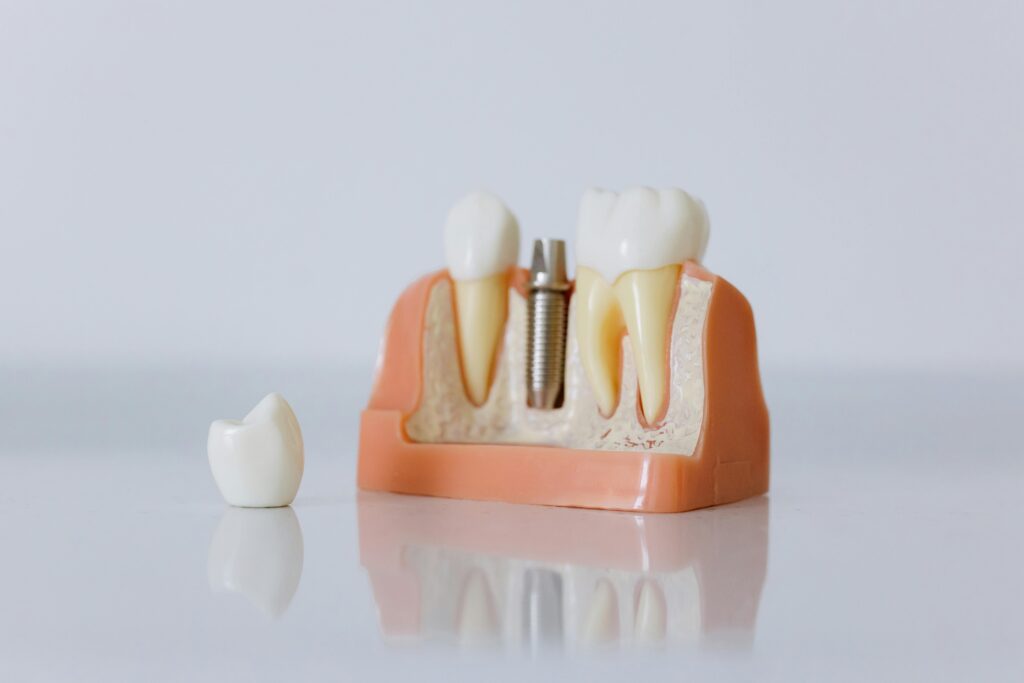
A dental implant consultation is not a formality. It is the appointment where the whole treatment starts to take shape, and the quality of that conversation often determines how smooth the rest of the process feels. Patients sometimes arrive thinking the visit is mainly about getting a price quote or hearing whether they are a candidate. Those are important parts of it, but the real value runs deeper. A good consultation helps uncover health factors that affect healing, clarifies what kind of result is realistic, and gives you a sense of whether the practice’s approach fits your needs.
Dental Implants can be a life-changing treatment when planned well. They can also become more expensive, more time-consuming, and more frustrating when key details are missed early. Preparation matters because implants are not a one-size-fits-all service. The right treatment for a healthy 35-year-old missing one premolar may be completely different from the right treatment for a 68-year-old with bone loss, gum disease history, and a full upper denture that no longer fits.
If you have an upcoming implant consultation, think of it less like showing up for a routine cleaning and more like preparing for an important planning meeting about your health, function, comfort, and budget.
What the consultation is really for
Most people focus on one question: “Can I get an implant?” In practice, the better question is, “What is the smartest way to replace this tooth or these teeth based on my mouth, health, goals, and timeline?”
A proper consultation usually covers four things. First, your dentist or specialist evaluates whether implants are appropriate at all. Second, they assess the site itself, which includes bone volume, gum health, bite forces, spacing, neighboring teeth, and sometimes sinus position or nerve location. Third, they talk through treatment options, including alternatives if implants are not the best first move. Fourth, they help you understand sequencing, timing, healing, costs, and maintenance.
That last part is where many patients are caught off guard. Implant treatment often involves stages. Even in straightforward cases, the process may include extraction, site preservation, healing time, implant placement, integration, and final crown placement. In more complex cases, bone grafting, sinus augmentation, gum grafting, or orthodontic movement may be part of the plan. You do not need to become an expert before your visit, but you will get much more from the consultation if you arrive ready to discuss the full picture.
Start with your own goals, not just the missing tooth
Before the appointment, spend a little time deciding what matters most to you. That may sound obvious, but many patients have not fully sorted out their priorities until they are sitting in the chair trying to answer quickly.
Some care most about appearance, especially if the tooth is in the smile zone. Others care most about chewing comfort or getting rid of a removable appliance. Some need the fastest safe solution because of work, travel, or a major family event. Others are willing to take the slower route if it offers a stronger long-term foundation.
Those distinctions matter. If your top priority is a highly aesthetic front tooth result, your clinician may spend more time discussing tissue contours, temporary restorations, and the importance of precise positioning. If your top priority is stability for a lower denture that moves when you eat, the conversation may focus on how many implants are needed, the type of attachment system, and the trade-offs between a removable overdenture and a fixed full-arch option.
This is also the moment to think honestly about your tolerance for treatment steps. Some patients are unfazed by surgery and happy to proceed in stages. Others are deeply anxious and benefit from a simpler approach, sedation options, or treatment sequencing that spreads procedures out. There is no prize for pretending to be easygoing if you are not. The more direct you are, the more useful the consultation becomes.
Gather the records that actually help
If you are seeing a new provider, bring anything that saves guesswork. Offices can often request records later, but having them ready speeds up assessment and can prevent repeated imaging or delays in planning.
The most helpful items are usually these:
- A list of your current medications, including doses if you know them
- Recent dental X-rays or treatment notes from your general dentist, if available
- A brief medical history with surgeries, conditions, and allergies
- Information about past bone grafts, implants, extractions, or periodontal treatment
- Dental insurance details, if benefits may apply to parts of the treatment
Patients often underestimate the importance of medication history. Blood thinners, certain osteoporosis drugs, immunosuppressants, diabetes medications, and cancer therapies can all affect timing, healing, or surgical planning. That does not automatically rule out implants, but it changes the conversation. Even something as common as uncontrolled acid reflux or dry mouth can influence comfort and maintenance over time.
If you wear a partial, flipper, retainer, or denture related to the missing tooth, bring it. The way that appliance fits, rubs, or affects your speech can reveal a lot about your current bite and tissue condition. In full-arch cases, an old denture can also help the team evaluate vertical dimension, tooth display, and smile line.
Be ready to talk about your medical history in detail
The implant site matters, but your body’s ability to heal matters just as much. Patients sometimes rush through health forms, especially if they assume a dental visit is separate from the rest of their medical history. For implant planning, that separation does not hold up very well.
If you have diabetes, be prepared to discuss how well controlled it is. If you smoke or vape, say so plainly. If you have had radiation therapy, autoimmune disease, heart valve issues, sleep apnea, or recent major surgery, mention it. If you grind your teeth, clench under stress, or wake with jaw soreness, bring that up too. Bite forces are not a minor detail when an implant will eventually hold a crown that cannot “give” the way a natural tooth sometimes does.
This is also the time to mention fear, not just disease. A surprising number of patients delay implants because they had a difficult extraction years ago, a poorly fitting denture, or an unpleasant experience with numbing. Experienced clinicians can often adapt, but only if they know what happened. Sedation, longer appointments, a slower pace, or simply more explanation during the visit can make a big difference.
Expect imaging, and understand why it matters
Many implant consultations include some form of imaging, and in a large number of cases that means a cone beam CT scan. Patients sometimes see this as an upsell or an extra expense. In reality, three-dimensional imaging is often what separates a rough estimate from a responsible plan.
A standard two-dimensional X-ray can suggest whether bone is present. A CBCT can show width, angulation, sinus anatomy, nerve pathways, concavities, and defects that would not be obvious otherwise. That level of detail helps determine implant size, position, and whether grafting is needed. It also reduces the chance of surprises during surgery.
For a single back tooth with a healthy site, the planning may be relatively straightforward. For a front tooth, where tiny changes in implant position can affect gum symmetry and final appearance, precision matters even more. For a full-arch case, imaging often works alongside photos, digital scans, and bite records to map out both function and aesthetics.
If imaging is recommended, it is reasonable to ask what the scan will clarify and how it influences planning. That is not being difficult. It shows you want to understand the process.
Know the alternatives before you walk in
A productive consultation includes options, not just one proposed treatment. Even if you strongly prefer an implant, it helps to understand what the alternatives are and why the clinician recommends one route over another.
Depending on the case, alternatives may include a bridge, a removable partial denture, a full denture, orthodontic space closure, or even postponing treatment while gum health or bone conditions are addressed. Sometimes the best first step is not placing an implant at all. A patient with active periodontal disease, for example, may need stabilization before implant surgery becomes the wise choice. A patient who wants a front tooth replaced immediately may need to hear that rushing could compromise the final gum contour.
When a dentist explains not just what can be done, but what should be done and why, that is usually a good sign. Good treatment planning has judgment in it. It is not simply about choosing the most advanced or most expensive option.
Questions worth asking during the appointment
You do not need to interrogate the office, but a consultation should leave you better informed than when you arrived. A few thoughtful questions can uncover whether the treatment plan is clear and individualized.
Here are five questions that often lead to useful answers:
- Am I a straightforward candidate, or are there factors that make my case more complex?
- Will I likely need bone grafting, gum treatment, or any other preparatory work?
- What is the expected timeline from start to final tooth, assuming healing goes normally?
- What are the main risks or complications in my specific case?
- Who will handle each step, the consultation provider, a surgeon, a restorative dentist, or multiple clinicians?
That last question matters more than many patients realize. In some practices, one doctor handles extraction, implant placement, and final restoration. In others, an oral surgeon places the implant and a general dentist or prosthodontist restores it. Neither model is inherently better, but you should know who is responsible for which phase and how communication happens between them.
If your case involves the front teeth, add a question about temporary teeth during healing. If your case involves a denture, ask to see examples of the type of attachment or full-arch solution being discussed. Specific questions usually produce specific answers.
Learn what affects the timeline
One of the most common misunderstandings around Dental Implants is timing. Patients hear stories from friends who “got an implant in a day” and assume that is typical. Sometimes immediate placement or immediate provisionalization is appropriate. Sometimes it is not. The deciding factors are biological, not promotional.
If a failing tooth is being extracted and the surrounding bone is intact, the gum condition is favorable, and primary stability is achievable, immediate implant placement may be possible. If infection, thin bone, tissue recession, or poor positioning are present, waiting may produce a far better long-term result. The same principle applies to loading the implant quickly with a temporary tooth. In selected cases, it works beautifully. In others, it increases risk.
Ask what has to happen before your final crown or denture is delivered. Osseointegration alone often takes a few months. Grafts can add more time. Soft tissue shaping, especially in aesthetic areas, can require patience. If your schedule includes weddings, work presentations, travel, or medical procedures, mention those dates early. Timing discussions are much easier before the plan is locked in.
Budget conversations are easier when you prepare for them
Cost is part of implant planning, and it should be discussed clearly. Many patients feel awkward bringing it up, then leave confused about what is included. A consultation is exactly the place to ask.
An implant case may involve separate fees for imaging, extraction, grafting, implant placement, abutment, temporary restoration, final crown, sedation, or follow-up visits. Full-arch cases can have even more variables. Hearing a single headline number without understanding the components is not very helpful.
Ask for a written breakdown and clarify whether the estimate includes all anticipated steps or only the next phase. Also ask what could change the fee. For example, some offices can give a tight estimate after imaging, while others may not know whether additional grafting is required until surgery begins. Neither scenario is unusual, but the distinction should be explained.
Insurance coverage for implants varies widely. Even when the implant itself is not covered, related services such as extraction, imaging, or a crown may be partially covered depending on the plan. Financing can help some patients, but it should support a decision you already understand, not rush you Oaks Dental Dental Implants into one.
If you have missing teeth for a long time, say so
How long a tooth has been missing can change the treatment conversation. Bone often shrinks after extraction, sometimes gradually and sometimes more noticeably than patients expect. Adjacent teeth may drift. Opposing teeth can over-erupt. The bite may adapt in ways that are not obvious until someone studies the models or scan.
I have seen patients come in assuming a long-missing molar would be the simplest kind of implant case because the area “doesn’t show.” Sometimes that is true. Other times the site is narrower than expected, the sinus has dropped, or the neighboring tooth has tilted enough to complicate spacing. None of that means the case cannot be treated, only that old missing teeth deserve careful evaluation rather than assumptions.
The same goes for teeth that are technically still present but failing. A cracked tooth, a root canal that has broken down, or a front tooth with repeated infection can all lead to implant discussions. If you have had swelling, drainage, gum boils, or temporary antibiotics in the area, mention it. Those details affect sequencing.
Photos, smiles, and appearance matter more than people think
Patients often arrive expecting a purely surgical conversation. For posterior teeth, function may dominate the discussion. For visible teeth, aesthetics can be just as important as the implant itself.
If the missing or failing tooth is in the front, expect the clinician to look at your smile broadly. They may evaluate lip line, gum display, tooth shape, tissue thickness, and symmetry with the opposite side. They may take photos, digital scans, or measurements that seem unrelated at first. They are not extra flourishes. They are often what helps avoid a result that is technically integrated but visibly disappointing.
This is where patient expectations need to be honest and specific. If you care deeply about matching one central incisor to the neighboring one, say that clearly. If a slight gum difference would bother you more than a longer treatment time, say so. Front-tooth implant work can be excellent, but it is among the most demanding areas in dentistry. Precision and patience matter.
Your home care habits belong in the conversation
An implant does not decay like a natural tooth, but it can fail or become inflamed if plaque control is poor or bite forces are excessive. The consultation is a good time to discuss how you care for your mouth now, especially if you have a history of bleeding gums, skipped maintenance visits, or difficulty cleaning around bridgework.
No clinician expects perfection. What they need is a realistic sense of how you will manage the implant after treatment. A single implant in a patient who brushes well and keeps regular cleanings behaves differently over time than the same implant in a patient with chronic inflammation and inconsistent follow-up.
If dexterity is an issue because of arthritis, tremors, or limited opening, mention it. If you have struggled to clean under a current bridge or partial, say that too. Maintenance plans can be tailored, but only if the challenge is known in advance.
Signs of a strong consultation
The best consultations are thorough without feeling rushed. You should feel that the dentist is evaluating your specific case, not dropping every patient into the same template. Clear explanations, realistic discussion of risks, and willingness to explain why one option is favored over another are all good signs.
You should also feel free to pause before deciding. Implant treatment is important enough to justify reflection, especially if the case is complex or expensive. Some patients benefit from a second opinion, particularly for full-mouth reconstruction, front-tooth implants in high smile lines, or cases involving extensive grafting. Good clinicians are rarely threatened by thoughtful questions or careful decision-making.
What you are looking for is not a sales pitch. It is a plan built on anatomy, experience, and judgment.
The day before and the day of the appointment
A few practical steps make the visit smoother. Confirm whether the office wants you to eat beforehand, especially if the consultation may include sedation planning or same-day procedures. Bring your glasses if you wear them, because consent forms and treatment estimates are easier to review carefully that way. Arrive early enough to complete medical forms without rushing. If you tend to forget details under stress, bring a family member or friend who can listen and take notes.
Most of all, do not try to be the “easy patient” by minimizing symptoms or concerns. If you have pain when chewing, embarrassment when smiling, trouble with a loose denture, or fear about surgery, put that on the table. Implant dentistry works best when the plan reflects the whole patient, not just the space where a tooth used to be.
Preparation will not make every decision simple, but it will make the consultation far more valuable. When you arrive informed, organized, and clear about your priorities, the appointment shifts from a generic estimate to a true treatment planning session. That is where better implant outcomes usually begin.
Oaks Dental
5000 Parkway Calabasas Suite 308
Calabasas, CA 91302, United States
+1 818-431-2000
FAQ About Dental Implants
What is the downside of a dental implant?
Implants require surgery and a healing period that can last several months. Possible complications include infection, nerve or sinus injury, damage to nearby teeth and failure to bond with bone. Your dentist should assess your health, bone support and alternatives before recommending treatment.
What do dental implants typically cost?
There is no single price for every implant case. The number of teeth replaced, implant components, final restoration and any grafting or extractions affect the total. Request a written estimate covering every stage and confirm insurance benefits and out-of-pocket costs with the practice.
How long do tooth implants last?
An implant can provide long-term support and may last a lifetime with good oral hygiene and regular dental care, but this is not guaranteed. The crown or other restoration may need replacement sooner. Smoking, gum disease and some health conditions can reduce implant success.